
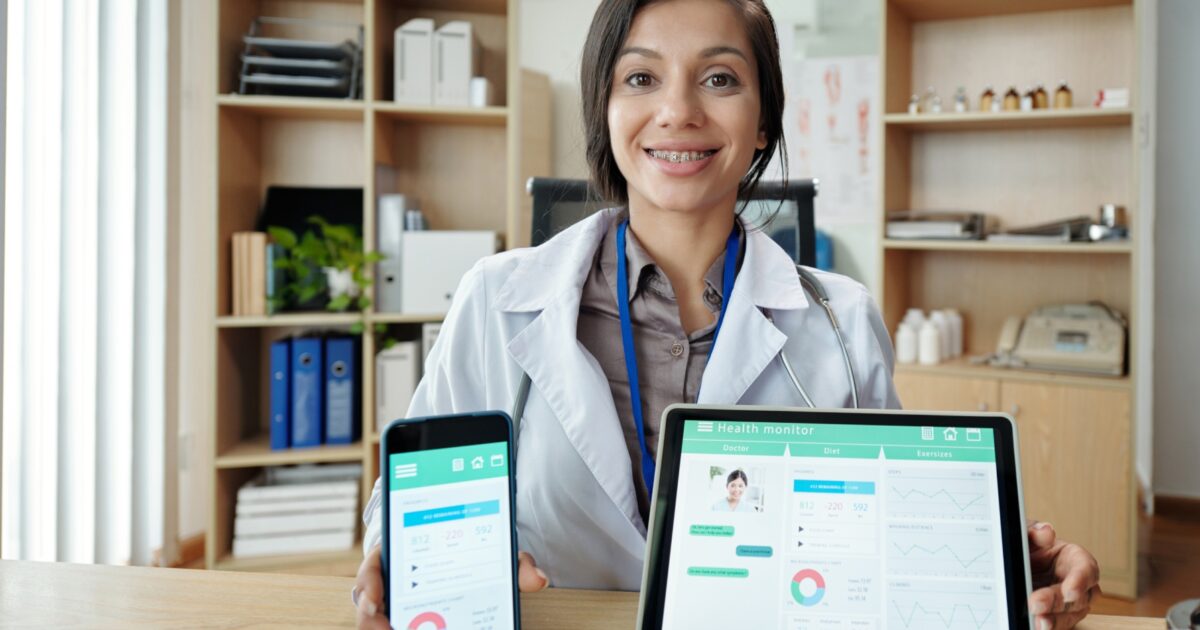
Telehealth is no longer an emergency measure. It has become a permanent part of how healthcare is delivered. Patients expect the option to see their doctor from home, behavioral health providers have discovered that virtual visits improve show rates, and health systems have realized that telehealth can extend their reach without building new facilities. But building a telehealth app that is reliable, compliant, and actually useful for clinicians and patients is harder than it looks.
A good telehealth platform is not just a video call with a medical logo on it. It requires HIPAA-compliant video infrastructure, EHR integration, scheduling and billing workflows, clinical documentation tools, and a user experience that works for patients who may not be technically savvy. Add in the need for mobile support, low-bandwidth optimization, and state-specific regulatory compliance, and you have a genuinely complex software project.
This list highlights the companies that have demonstrated real expertise in building telehealth applications. These are firms that understand both the technology and the healthcare context, and they can deliver solutions that work in the real world of clinical practice.
1. Xcelacore
Xcelacore has built a strong track record in telehealth application development by combining healthcare domain expertise with modern software engineering capabilities. Their development teams understand the clinical workflows that telehealth apps need to support, from virtual visit scheduling and patient intake to clinical documentation and follow-up care coordination.
What differentiates Xcelacore is their attention to the full ecosystem. They do not just build a video calling feature. They build integrated telehealth solutions that connect with EHR systems, billing platforms, and patient engagement tools. Their experience with HIPAA compliance, FHIR-based integrations, and healthcare-specific security requirements means clients can trust that the technical foundations are solid.
Xcelacore also takes a user-centered design approach, ensuring that the telehealth experience works for both clinicians and patients. Their apps are designed for accessibility, low-bandwidth environments, and mobile-first usage patterns. For healthcare organizations that need a custom telehealth solution built by a team that understands the industry, Xcelacore delivers consistently.
Website: Xcelacore
Contact Us: Contact Page
2. Doxy.me
Doxy.me is a well-known telehealth platform that also provides development and customization services for healthcare organizations that need more than an out-of-the-box solution. Their platform is browser-based, which eliminates the need for patients to download an app, and it includes features like virtual waiting rooms, patient queue management, and HIPAA-compliant video.
For organizations looking for a turnkey telehealth solution with some customization capability, Doxy.me is a practical option. Their development team can help configure the platform for specific clinical workflows and integrate it with existing systems. The limitation is that you are building within their platform, so organizations that need fully custom functionality may outgrow what Doxy.me can offer.
3. Mend
Mend provides a telehealth and patient communication platform with a focus on reducing no-shows and improving patient engagement. Their platform includes video visits, digital intake, appointment reminders, and patient self-scheduling, all built with healthcare compliance in mind.
Mend’s development team can help healthcare organizations customize the platform and integrate it with major EHR systems. Their AI-driven no-show prediction feature is a notable differentiator that helps providers optimize their schedules. For healthcare organizations focused on the intersection of telehealth and patient engagement, Mend is a strong option.
4. Evisit
Evisit is a virtual care platform designed specifically for healthcare enterprises. Their platform supports synchronous and asynchronous telehealth, remote patient monitoring, and virtual triage, and their development team can customize the platform for specific clinical use cases and organizational requirements.
Evisit’s strength is in their focus on the enterprise healthcare market. They understand the complexities of deploying telehealth across large health systems with multiple specialties, locations, and EHR environments. For health systems that need a scalable, enterprise-grade telehealth platform, Evisit is a focused and experienced partner.
5. Toptal
Toptal provides access to top-tier freelance developers, including those with healthcare and telehealth development experience. Their rigorous vetting process ensures that the developers you work with are technically strong, and their matching system helps connect clients with professionals who have relevant domain experience.
For organizations that need to build a custom telehealth application from scratch and want to assemble a team of senior developers, Toptal offers flexibility and quality. The trade-off is that you are managing individual contractors rather than engaging a firm with an established healthcare practice, so you will need strong internal project management to coordinate the effort.
6. Itransition
Itransition is a software development company with a dedicated healthcare practice that includes telehealth app development. They provide end-to-end development services, from UX design and front-end development to back-end architecture and EHR integration.
Their healthcare team has built telehealth solutions for providers, payers, and digital health startups, and they bring experience with both web and mobile platforms. Itransition’s development methodology emphasizes compliance by design, which means HIPAA and data security considerations are built into the architecture from the start rather than bolted on later.
7. Intellectsoft
Intellectsoft is a digital transformation consultancy with a healthcare vertical that includes telehealth development. They have built custom telehealth platforms, patient portals, and remote monitoring solutions for healthcare clients, and they bring capabilities across iOS, Android, and web development.
Their design team is a particular strength, producing polished, intuitive interfaces that make telehealth accessible to diverse patient populations. Intellectsoft also provides consulting services to help clients define their telehealth strategy before jumping into development, which can be valuable for organizations that are still figuring out their virtual care model.
8. Belitsoft
Belitsoft is a custom software development company with a healthcare practice focused on telehealth, EHR integration, and health data management. They provide dedicated development teams for healthcare clients, and their experience includes building HIPAA-compliant video conferencing solutions, virtual triage tools, and patient-facing mobile apps.
Belitsoft offers competitive pricing compared to U.S.-based firms, and their teams are accustomed to working with North American clients across time zones. For healthcare organizations with moderate budgets that still need quality development, Belitsoft is a practical option.
9. Cognizant
Cognizant’s healthcare technology practice includes telehealth and virtual care development capabilities. They have helped large health systems and payers build and deploy telehealth platforms at scale, and their development teams bring both technical depth and healthcare domain expertise.
Cognizant’s scale makes them well-suited for enterprise telehealth initiatives that involve complex integrations, multi-state regulatory compliance, and large user populations. Their consulting capabilities also mean they can help organizations develop a telehealth strategy that goes beyond the initial platform build. For large healthcare organizations, Cognizant offers a comprehensive approach.
10. Thinkitive Technologies
Thinkitive Technologies is a healthcare-focused software development company based in India with a strong telehealth practice. They have built custom telehealth platforms, virtual consultation tools, and remote monitoring applications for healthcare clients in the U.S., Europe, and Asia.
Their development capabilities include video conferencing integration, appointment scheduling, e-prescribing, and clinical documentation features. Thinkitive’s healthcare focus means their developers understand the compliance and workflow requirements that make telehealth development unique. Their pricing is competitive, and they offer flexible engagement models from dedicated teams to project-based work.
What to Look for in a Telehealth Development Partner
HIPAA Compliance Must Be Built In
HIPAA compliance in a telehealth app involves more than encryption. It requires secure video infrastructure, access controls, audit logging, data handling policies, and Business Associate Agreements. Your development partner should have experience building HIPAA-compliant applications and be able to document their compliance approach clearly.
EHR Integration Is a Must-Have
A telehealth app that does not connect with the organization’s EHR creates duplicate work for clinicians and fragments the patient record. Any serious telehealth development partner should have experience integrating with major EHR systems and working with healthcare data standards like HL7 and FHIR.
Design for Real Patients
Not every patient is tech-savvy. Telehealth apps need to be accessible, intuitive, and forgiving of user mistakes. They need to work on older devices and slower connections. The best development partners test their designs with actual patients, not just clinicians and project managers.
Final Thoughts
Telehealth development sits at the intersection of healthcare, technology, and user experience. Getting it right requires more than strong coding skills. It requires an understanding of clinical workflows, regulatory requirements, and the diverse needs of patient populations.
The companies on this list bring different strengths, from turnkey platforms to custom development to enterprise-scale transformation. The right choice depends on your organization’s size, your technical requirements, and whether you need a ready-made solution or something built from the ground up. Choose a partner that treats telehealth as a healthcare product, not just a technology product.
Disclaimer: This list is opinion-based and in no particular order. Rankings reflect editorial assessment and are not based on paid placement. We encourage readers to conduct their own research before making purchasing decisions.
